简体中文
简体中文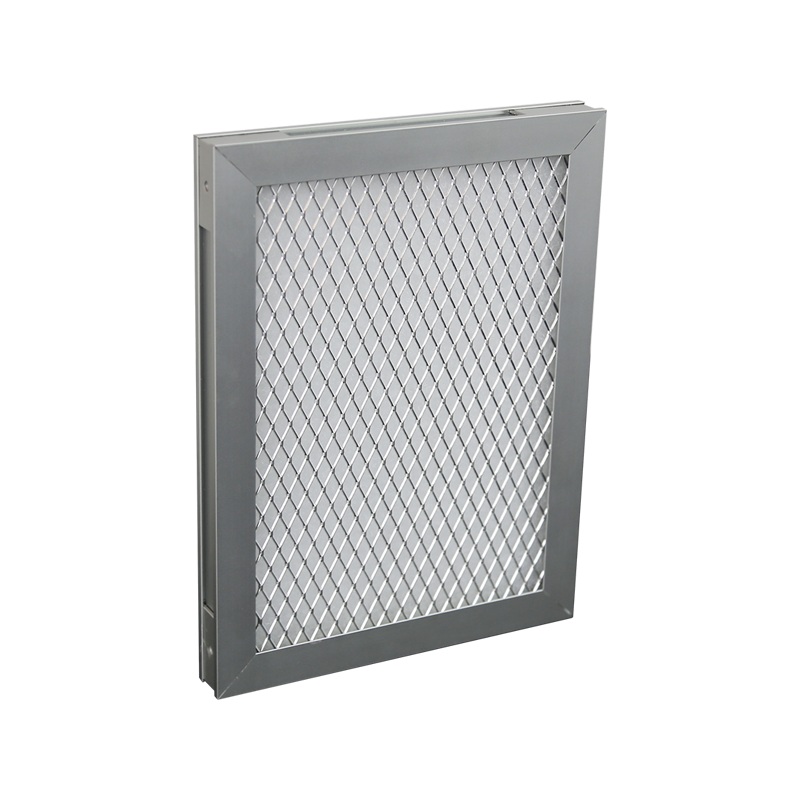

از راه حل ها تا تولیدات، ما در ساخت محصولات مورد نیاز شما تخصص داریم.
صفحه اصلی / اخبار / اخبار صنعت / چه چیزی فیلترهای HEPA را در جذب ذرات معلق در هوا بسیار موثر می کند؟

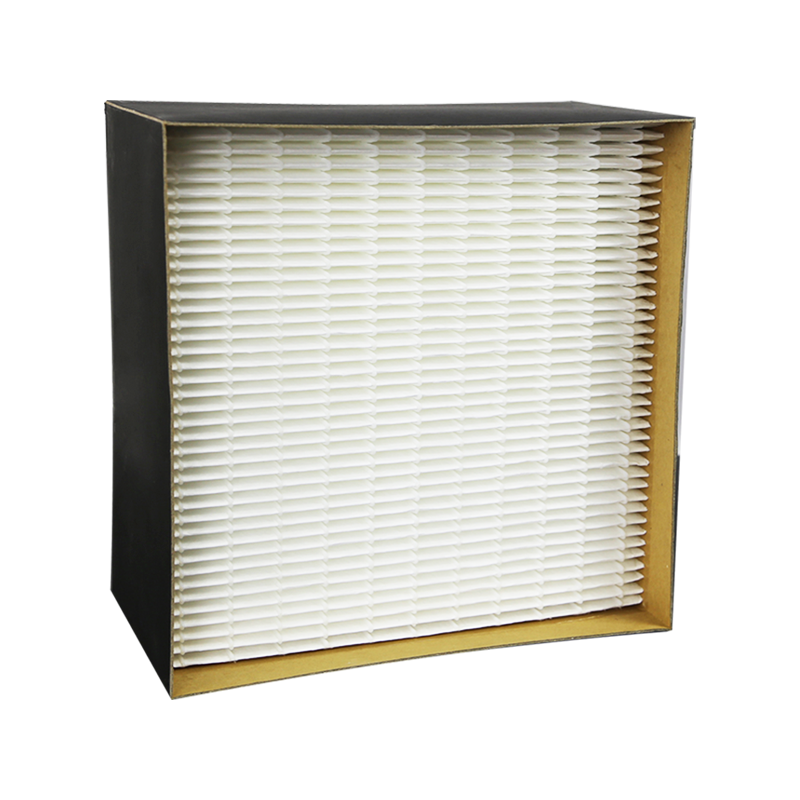
فیلترهای هوای ذرات با راندمان بالا فیلترهای HEPA که معمولاً به عنوان فیلترهای HEPA شناخته می شوند، توسط یک استاندارد عملکرد خاص به جای یک ماده یا مارک خاص تعریف می شوند. برای طبقهبندی به عنوان HEPA واقعی تحت استاندارد با ارجاع گسترده، یک فیلتر باید حداقل 99.97 درصد از ذرات معلق در هوا با قطر 0.3 میکرون را جذب کند، محدوده اندازه ای که اغلب به عنوان نافذترین اندازه ذرات شناخته میشود، زیرا ذرات در این بعد خاص از نظر آماری سختترین ذرات برای به دام انداختن یک محیط فیلتر هستند.
این استاندارد به این معنی است که ذرات بزرگتر و کوچکتر از 0.3 میکرون در واقع با نرخ بازدهی بالاتری جذب می شوند، زیرا ذرات بزرگتر از طریق رهگیری و ضربه مستقیم به دام می افتند، در حالی که ذرات کوچکتر از طریق فرآیند انتشار که در زیر با جزئیات بیشتر توضیح داده شده است، جذب می شوند. درک این تمایز به توضیح اینکه چرا فیلترهای HEPA در طیف وسیعی از اندازههای ذرات مؤثر باقی میمانند، به جای معیار 0.3 میکرون خاص که برای آزمایش گواهینامه استفاده میشود، کمک میکند.
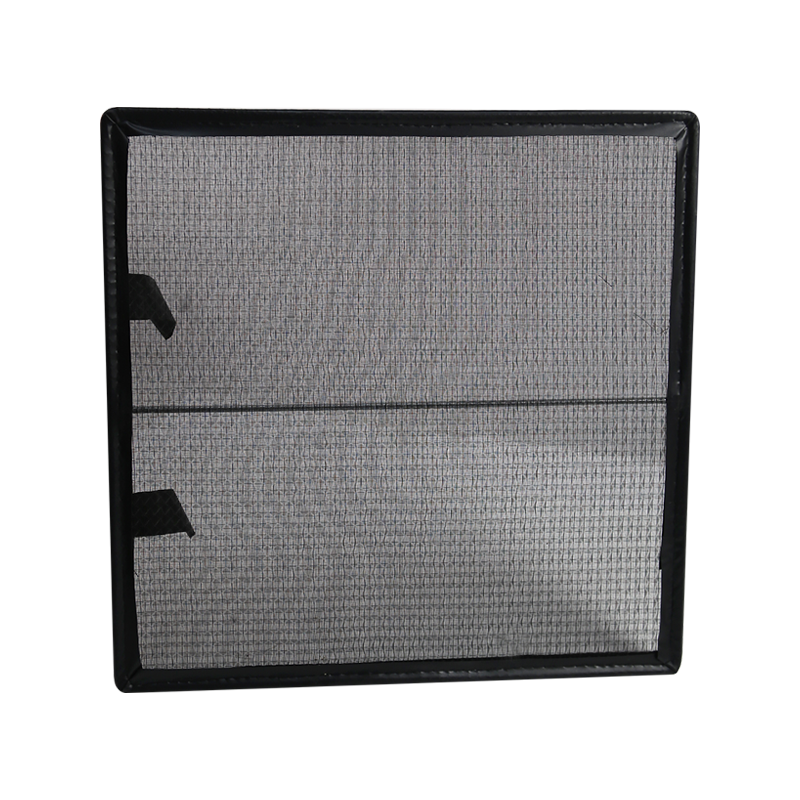
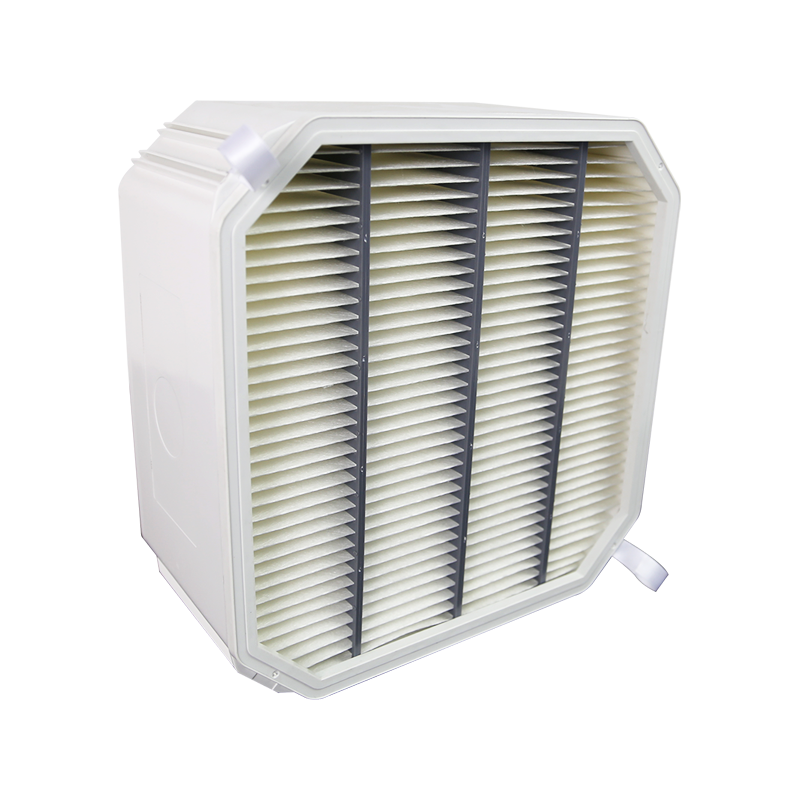
فیلترهای HEPA از یک تشک متراکم از الیاف ریز که به طور تصادفی مرتب شدهاند، که معمولاً از فایبرگلاس یا پلیمرهای مصنوعی تخصصی ساخته میشوند، ساخته میشوند که مسیری پرپیچوخم برای عبور هوا ایجاد میکنند. رسانه HEPA به جای اینکه مانند یک غربال ساده عمل کند که فقط ذرات بزرگتر از اندازه منافذ خود را مسدود می کند، به چندین مکانیسم فیزیکی متمایز که با هم کار می کنند متکی است.
رهگیری occurs when a particle traveling within the airstream comes close enough to a fiber that it makes contact and sticks, even though the particle's trajectory would not have caused a direct collision. This mechanism is particularly effective for mid-sized particles.
ذرات بزرگتر و سنگینتر دارای اینرسی کافی هستند که نمیتوانند مسیر انحنای هوا را در اطراف فیبر دنبال کنند و باعث میشوند که مستقیماً با فیبر برخورد کرده و به دام بیفتند. این مکانیسم با افزایش اندازه ذرات و سرعت هوا موثرتر می شود.
کوچکترین ذرات، معمولاً زیر 0.1 میکرون، در یک الگوی نامنظم و تصادفی که به عنوان حرکت براونی شناخته می شود، به دلیل برخورد با مولکول های گاز در هوا حرکت می کنند. این حرکت نامنظم این احتمال را افزایش می دهد که این ذرات ریز در نهایت با یک فیبر تماس پیدا کنند و دستگیر شوند، حتی اگر اندازه کوچک آنها در غیر این صورت رهگیری آنها را از طریق مسیر مستقیم به تنهایی دشوار می کند.
فیلترهای HEPA در طیف وسیعی از تنظیمات استفاده می شوند که در آن کنترل ذرات معلق در هوا برای سلامت، ایمنی یا کیفیت محصول مهم است.
در هر یک از این محیطها، الزامات کارایی خاص و نیازهای جریان هوا به طور قابل توجهی متفاوت است، به همین دلیل است که فیلترهای HEPA در طیف وسیعی از درجهها و پیکربندیهای فیزیکی برای مطابقت با کاربرد مورد نظر تولید میشوند.
همه فیلترهایی که به عنوان HEPA برچسب گذاری شده اند عملکرد یکسانی ندارند، زیرا استانداردهای بین المللی چندین درجه را بر اساس راندمان فیلتراسیون در اندازه ذرات آزمایشی 0.3 میکرون تعریف می کنند.
| کلاس فیلتر | حداقل راندمان | استفاده متداول |
| H10 تا H12 | 85% تا 99.5% | تهویه عمومی و پیش فیلتراسیون |
| H13 | 99.95٪ | محیط های بیمارستانی و پزشکی |
| H14 | 99.995٪ | اتاق های تمیز و تجهیزات دارویی |
| U15 و بالاتر | 99.9995٪ یا بالاتر | کاربردهای هوا با ذرات بسیار کم |
فیلترهای هپا واقعی، که معمولاً برای مصارف مسکونی و تجاری فروخته میشوند، عموماً با درجه H13 یا بالاتر مطابقت دارند، در حالی که فیلترهای درجه پایینتر که بهصورت آزاد بهعنوان نوع HEPA یا هپا مانند به بازار عرضه میشوند، ممکن است آستانه گواهینامه سختگیرانه را برآورده نکنند و اگر عملکرد دقیق فیلتراسیون در اولویت است، باید قبل از خرید به دقت ارزیابی شوند.
انتخاب یک فیلتر HEPA مناسب شامل تطبیق درجه کارایی و اندازه فیزیکی فیلتر با نگرانیهای خاص کیفیت هوا و تجهیزات مورد استفاده است.
خانوادههایی که عمدتاً با گردههای فصلی یا شوره حیوانات خانگی سروکار دارند ممکن است فیلترهای هپا واقعی استاندارد در تصفیهکنندههای هوای منازل را کافی بدانند، در حالی که افراد با حساسیتهای تنفسی خاص یا کسانی که در مناطقی با کیفیت هوای بیرونی ضعیف زندگی میکنند ممکن است از واحدهای جفت شده با لایههای کربن فعال اضافی برای مقابله با گازها و بوها در کنار ذرات بهره ببرند.
ساختار فیبر متراکم فیلتر HEPA مقاومت بیشتری در برابر جریان هوا نسبت به فیلتر استاندارد ایجاد می کند، بنابراین تجهیزات باید با ظرفیت فن کافی طراحی شوند تا نرخ تبادل هوای کافی را با وجود این مقاومت حفظ کنند. واحدهای کم اندازه جفت شده با فیلتر HEPA ممکن است برای گردش هوای کافی برای موثر بودن در اتاقهای بزرگتر مشکل داشته باشند، حتی اگر خود رسانه فیلتر طبق رتبهبندی عمل کند.
برخلاف برخی از انواع فیلترهای قابل شستشو، فیلترهای هپا واقعی عموماً به عنوان اجزای قابل تعویض به جای قطعات قابل استفاده مجدد طراحی می شوند، زیرا ساختار الیاف متراکم آنها می تواند در اثر شستشو آسیب ببیند و بدون به خطر انداختن کارایی فیلتر نمی توان آنها را به طور موثر تمیز کرد.
پیروی از یک برنامه جایگزینی ثابت و روشهای رسیدگی مناسب تضمین میکند که یک سیستم فیلتراسیون HEPA به کارایی خود در سطح کارایی تایید شده خود در طول عمر مورد نظر خود ادامه میدهد، به جای اینکه به تدریج کارایی خود را از دست بدهد زیرا رسانه فیبر با ذرات به دام افتاده اضافه بار میشود.
چگونه یک جعبه تصفیه هوا کیفیت هوای داخل خانه را بهبود می بخشد؟
چگونه فیلتر هوای مناسب HEPA را برای خانه خود انتخاب می کنید؟
Copyright 2023 Nantong Henka Environment Solutions Co.,Ltd. All Rights Reserved
 تولید کنندگان فیلتر هوا HEPA کارخانه فیلترهای هوای سفارشی HEPA
 Tel: +86-13813766750
 E-mail:
  Add: 5169، خیابان Bin'gang، منطقه Binjiang، Haimen City، Jiangsu، چین